Childcare Curriculum: Teaching Children About Sharing, Giving, and Community Through Play
A childcare curriculum provides infants, toddlers, and preschoolers with meaningful opportunities to develop important early childhood skills through planned lessons, activities, and everyday play experiences. From learning about sharing and giving to building a sense of community and developing social-emotional skills, these experiences help children understand how to interact with and care for others. For educators, childcare center owners and directors, and other early childhood professionals, incorporating these concepts into the curriculum creates opportunities for children to practice taking turns, work through disagreements, and begin to understand another person’s perspective.
The early years are full of opportunities to introduce these ideas in ways that feel meaningful and fun. Whether children are working together to build a block tower, preparing pretend meals in the dramatic play area, or creating something for a friend, everyday play helps them discover what it means to be part of a community. These early experiences help shape empathy, cooperation, communication, and a sense of belonging, all of which support positive relationships and a more inclusive, connected learning environment.
With a few simple materials, thoughtful conversations, and plenty of opportunities to play together, you can help young children practice kindness, cooperation, and generosity as part of their everyday classroom experiences. In this blog, we’ll explore why sharing and community-building matter in early childhood, along with 12 simple activities for teaching generosity, supporting social-emotional development, and creating a more caring preschool classroom.


Why Teach Preschoolers About Sharing, Giving, and Community in Early Childhood Education?
Early childhood is an important time for learning how to build relationships and interact with others. As infants, toddlers, and preschoolers spend more time with their peers, they begin forming friendships, expressing their needs, navigating disagreements, and discovering what it means to be part of a group.
Teaching children about sharing, giving, and community helps them develop the social-emotional skills they need to build positive relationships. They begin to understand that other people have feelings and needs, that their actions can make a difference, and that everyone has something to contribute.
These lessons don’t happen overnight. Sharing a favorite toy, offering to help a friend, or working together on a classroom project can all be meaningful learning experiences. For example, a three-year-old who doesn’t want to share a favorite toy isn’t being unkind. They’re still learning about ownership, patience, perspective-taking, and how to manage their emotions when someone else wants something they have.
Rather than expecting children to share or give automatically, educators can help them explore these concepts through age-appropriate activities, everyday interactions, and supportive relationships. With time, practice, and encouragement, children can begin to develop:
- Empathy: Recognizing how other people might feel and beginning to consider different perspectives.
- Cooperation: Working with others toward a shared goal, making decisions, and contributing ideas.
- Communication: Expressing needs, listening to others, and finding solutions when disagreements happen.
- Patience and self-regulation: Practicing turn-taking, waiting, and managing feelings when something doesn’t go as planned.
- A sense of belonging: Understanding that they are valued members of a classroom community where everyone has something to contribute.
- Generosity: Discovering the joy of helping others, offering support, and contributing to shared experiences.
The goal isn’t to make every toddler or preschooler a perfect sharer. It’s to help children develop an understanding of how to care for others, work together, and build a classroom community where everyone feels included and valued.
10 Sharing, Giving, and Community Focused Lesson Plans and Activities for Preschoolers
Looking for simple ways to bring these ideas into your classroom? Here are 12 activities that give toddlers and preschoolers hands-on opportunities to explore kindness, cooperation, and community through play.
1. Build Something Together
Learning opportunities: Cooperation, problem-solving, communication, and teamwork.
Building activities are a great way to help children work toward a shared goal. Whether they’re constructing a city, building a bridge, or seeing how tall they can make a block tower, children have plenty of opportunities to share ideas and collaborate.
What you’ll need:
- Wooden blocks or building bricks
- Toy people, animals, or vehicles
- A large open floor space
- Pictures of buildings, bridges, or other structures for inspiration
How to set it up:
Invite a small group of children to work together to build something for their classroom.
You might suggest creating a town, a zoo, a playground, or a neighborhood. Let children decide what they’d like to include and how they want to build it.
As they work, encourage them to talk through their ideas and find ways to bring their creations together.
Extend the learning:
Once the structure is complete, invite children to talk about what they contributed and how they worked together.
Want to keep the fun going? Introduce a new challenge, such as building a bridge that can support a toy car or creating a tower that’s taller than a particular object.
Educator tip: Avoid assigning every child a specific task unless they need that support. Give children room to negotiate roles and contribute in their own ways.
2. Create a Classroom Kindness Tree
Learning opportunities: Social-emotional development, language, reflection, and community building.
A kindness tree is a simple, visual way to celebrate the thoughtful things children do for one another. It’s also a lovely opportunity to recognize the small acts of kindness that can sometimes go unnoticed during a busy classroom day.
What you’ll need:
- Large paper or cardboard
- Brown paper for a tree trunk and branches
- Paper leaves
- Markers or crayons
- Tape or glue
How to set it up:
Start by creating a large tree on a classroom wall or bulletin board.
Throughout the week, keep an eye out for moments when children show kindness. Maybe someone helps a friend put away toys, offers a turn with a favorite activity, or comforts a classmate who’s feeling upset.
Write each observation on a paper leaf and add it to the tree. Make sure to write one observation for each child.
You can also invite children to draw their own examples of kindness.
Extend the learning:
At the end of the week, gather around the tree and revisit some of the moments you’ve documented.
Ask children what they noticed. How did it feel when someone helped them? What are some ways we can make our classroom a welcoming place?
Educator tip: Remember that kindness comes in many forms! Recognize more than just sharing toys. Helping, listening, including others, and showing care are all meaningful ways to contribute to a classroom community.
3. Set Up a Pretend Community Café
Learning opportunities: Dramatic play, communication, cooperation, and social awareness.
A pretend café gives children the chance to explore how people interact, help one another, and work together in a familiar community setting. It’s also a fun way to bring everyday social situations into your dramatic play area.
What you’ll need:
- Play food and dishes
- Toy cups and plates
- A small table or play counter
- Menus or picture cards
- Aprons or dress-up clothes
- Notepads and pencils
How to set it up:
Transform your dramatic play area into a little café.
Invite children to take on different roles. Some might prepare pretend meals, others might welcome guests, and some might be customers.
As they play, encourage children to communicate and interact with one another.
Extend the learning:
Talk about all the different people who help a café or restaurant run smoothly.
Who prepares the food? Who serves it? Who cleans the tables?
You can also introduce simple collaborative challenges, such as preparing a pretend meal for a group of stuffed animals or setting a table for everyone in the classroom.
Educator tip: Let children switch roles throughout the activity. This gives everyone a chance to explore different perspectives and participate in different ways.
4. Make Thank-You Cards for People Who Help Our Community
Learning opportunities: Creativity, communication, gratitude, and community awareness.
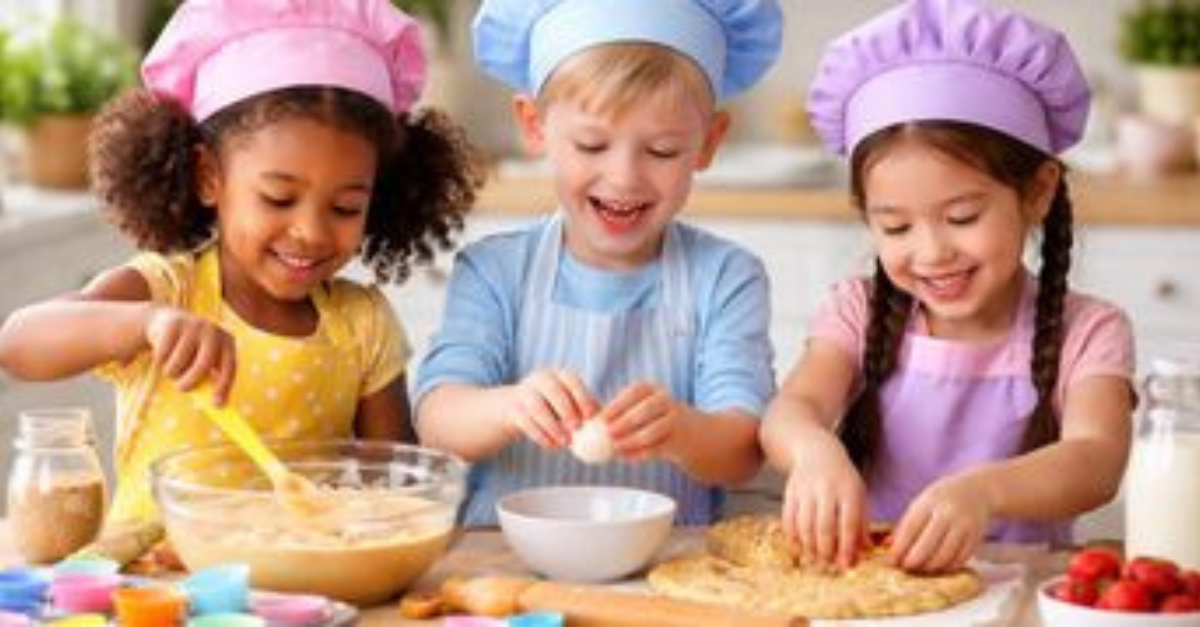
Children interact with so many people throughout their daily lives who help make their communities work. Creating thank-you cards is a simple way to introduce the idea of recognizing and appreciating those contributions.
What you’ll need:
- Construction paper or cardstock
- Crayons, markers, and stickers
- Non-toxic glue
- Envelopes
- Pictures of community helpers for inspiration
How to set it up:
Start with a conversation about the people who help in your community. Families can also share which helpers and cultural values are important in their community, helping reinforce the daycare curriculum.
Think beyond familiar roles like firefighters and police officers. You might also introduce children to librarians, crossing guards, postal workers, sanitation workers, grocery store employees, educators, and healthcare workers.
Invite children to choose someone they’d like to thank and create a card or picture for them.
They can draw their own message, decorate the card, or dictate a short note for an educator to write down.
Extend the learning:
Take some time to talk about how different people contribute to the community in different ways.
Educator tip: Help children recognize that community contributions aren’t limited to paid jobs. Neighbors, family members, volunteers, and friends also play an important role in caring for others.
5. Play a Cooperative Parachute Game
Learning opportunities: Teamwork, listening, coordination, and gross motor development.
Not every activity about cooperation needs to involve sitting around a table! Movement games are another great way to help toddlers and preschoolers experience what it means to work together.
What you’ll need:
- A play parachute or large, lightweight sheet
- A few lightweight fabric balls or scarves
- An open space
How to set it up:
Invite children to stand around the parachute and hold an edge.
Start with a few simple movements. Can everyone lift it up high? Can everyone lower it down slowly?
Once they’ve had a chance to practice, place a few lightweight balls on top and challenge the group to work together to keep them moving without letting them fall off.
Encourage children to communicate and pay attention to what their friends are doing.
Extend the learning:
Ready for another challenge? See if the group can move the balls from one side to the other or make gentle waves together.
Afterward, talk about how each person helped make the activity work.
Educator tip: Keep movements age-appropriate and make sure children have enough space. Avoid running underneath the parachute or pulling it forcefully.
6. Create a Classroom Giving Basket
Learning opportunities: Generosity, decision-making, empathy, and social-emotional development.
Giving doesn’t always have to mean donating belongings or collecting physical items. Sometimes, it simply means offering your time, help, attention, or kindness.
A classroom giving basket is an easy way to help children explore all the different ways they can contribute to their community.
What you’ll need:
- A small basket or container
- Picture cards showing different helpful actions
- Paper and crayons
How to set it up:
Create picture cards featuring simple acts of kindness and helpfulness.
For example:
- Help a friend clean up.
- Read a book with someone.
- Water the classroom plants.
- Help prepare the snack table.
- Invite someone to join a game.
- Help organize the art supplies.
Place the cards in a basket and invite children to choose an action they’d like to try.
There’s no need to turn this into a competition or ask children to complete a certain number of acts. The idea is simply to introduce different ways people can help one another.
Extend the learning:
At the end of the day, invite children to share something helpful they noticed or did.
Educator tip: Make sure children understand that kindness is a choice, not an obligation. They should never feel pressured to give away belongings, hugs, or personal attention.
7. Work Together on a Classroom Garden
Learning opportunities: Responsibility, cooperation, science, and environmental awareness.
Caring for plants is a wonderful way to help toddlers and preschoolers understand that being part of a community also means looking after shared spaces and living things.
Even a small classroom garden gives children the chance to contribute to something everyone can enjoy.
What you’ll need:
- A suitable planter or garden space
- Child-safe gardening tools
- Potting soil
- Seeds or appropriate plants
- A small watering can
- Picture cards showing plant-care steps
How to set it up:
Choose a few plants that are appropriate for your classroom and growing environment.
Invite children to help prepare the soil, plant seeds, and water them.
As you work together, talk about what plants need to grow and how everyone can help care for them.
You might also introduce a simple classroom routine where children check the soil, look for new growth, and help water the plants when needed.
Extend the learning:
Invite children to observe the garden as it grows and talk together about the changes they notice. Educators can document these observations over time, creating a record of the plants’ growth for children to revisit and discuss during circle time!
You can also talk about how plants provide food and shelter for other living things and why caring for green spaces is important.
Educator tip: Avoid making one child responsible for keeping the garden alive. Frame it as a shared classroom project, with educators guiding the care routine.
8. Try a Cooperative Art Project
Learning opportunities: Creativity, collaboration, communication, and fine motor development.
Art is often thought of as an individual activity, but creating something together can be a wonderful way to encourage collaboration. A shared art project gives children room to express their own ideas while contributing to something bigger.
What you’ll need:
- A large sheet of paper or cardboard
- Washable paints or markers
- Paintbrushes, sponges, and other art materials
- Non-toxic glue
- Recycled cardboard and paper
How to set it up:
With the children in your classroom, choose a theme for your collaborative artwork. It could be a neighborhood, a garden, a classroom playground, or a picture of what makes your community special.
Place the paper in the middle of a table or on the floor and invite children to contribute.
Some might draw buildings, while others add people, trees, flowers, or animals.
Extend the learning:
Once the artwork is finished, invite children to give it a name and describe the different parts.
Educator tip: Let children contribute in different ways. Some may want to paint, while others prefer drawing, gluing, or simply sharing ideas.
9. Create a Classroom Book Exchange
Learning opportunities: Literacy, communication, turn-taking, and community participation.
A classroom book exchange gives children the opportunity to share stories they love and discover new books through their friends. It’s a fun way to encourage a love of reading while helping children learn about sharing, caring for others’ belongings, and participating in their classroom community.
What you’ll need:
- Books children bring from home (participation should be optional)
- A designated basket, bookshelf, or display area
- Simple labels or name cards to keep track of borrowed books
How to set it up:
Invite families to send in a book their child would like to share with the class. Set up a special classroom book exchange area where children can browse the available books, choose one that interests them, and borrow it for a set period of time.
Encourage children to take turns choosing books, talk about the stories they bring in, and share what they enjoyed about the books they borrow. Educators can help children keep track of which books have been borrowed and make sure each book finds its way back to its owner.
This activity is a lovely way to help children see how sharing something they enjoy can bring happiness to others, too!
Extend the learning:
Create a simple recommendation wall with pictures of children’s favorite books.
Invite children to recommend a story to a friend or choose a book to read together during quiet time.
Educator tip: Sharing a book doesn’t have to mean giving it away. Children can learn about generosity by sharing an experience, reading together, or recommending something they enjoy.
10. Plan a Classroom Helping Day
Learning opportunities: Responsibility, cooperation, independence, and community awareness.
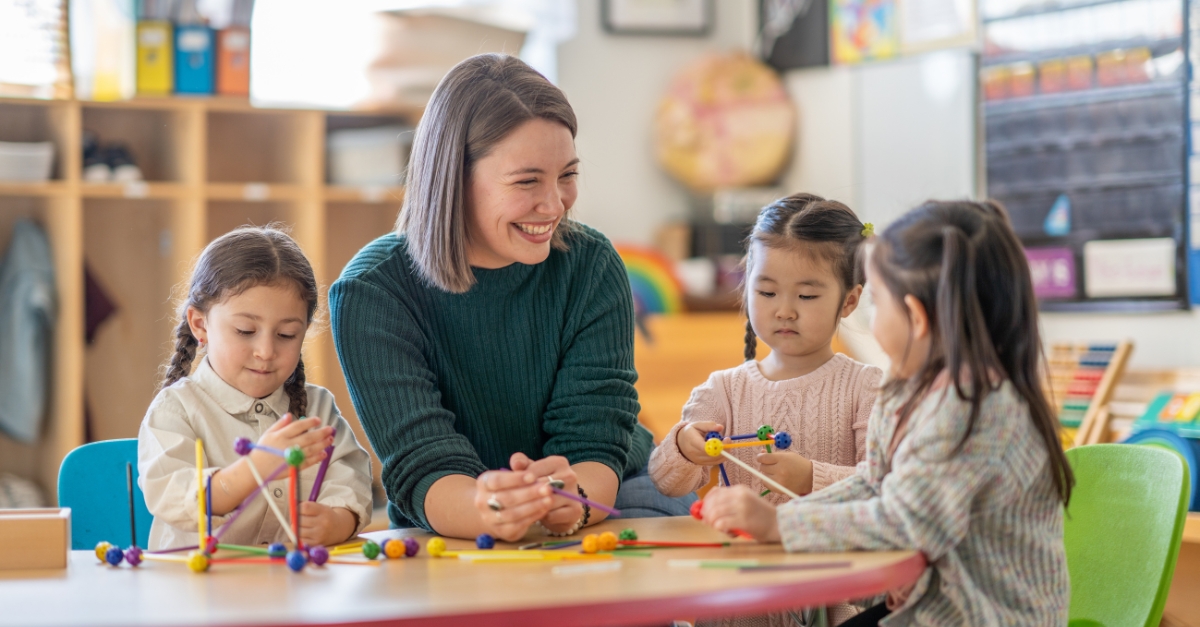
Children love having meaningful jobs, especially when they can see how their contributions help the group.
A classroom helping day is a simple way to turn everyday routines into opportunities to practice teamwork.
What you’ll need:
- Simple classroom task cards
- Picture labels
- Cleaning and organizing materials appropriate for young children
- A classroom job chart
How to set it up:
Choose a few simple tasks that children can safely help with.
For example:
- Organizing the books.
- Watering plants.
- Setting out napkins.
- Sorting art supplies.
- Returning toys to their shelves.
- Helping arrange chairs for circle time.
Create picture cards showing each task and invite children to choose how they’d like to contribute.
Work together to complete the activities, acknowledging everyone’s efforts along the way.
Extend the learning:
Take a few minutes to talk about why these jobs are helpful.
What happens when we put the blocks away? Why do we keep our art area organized? How does helping make our classroom a nicer place for everyone?
Educator tip: Make classroom responsibilities part of your everyday routine rather than a one-time event. Children build confidence and independence when they have regular opportunities to contribute.
How to Encourage Sharing Without Forcing It
One of the biggest misconceptions about teaching young children to share is that they need to give up whatever they’re playing with whenever someone else asks. But that’s not quite how learning to share works.
Sharing is a social skill that develops gradually. Young children are still learning about ownership, boundaries, waiting, and managing disappointment.
Forcing children to hand over a toy can create frustration rather than helping them understand generosity. Instead, educators can model sharing and introduce simple strategies that help children navigate these situations.
Here are a few ways to encourage sharing in your classroom, with strategies adapted to children’s ages, interests, and individual needs. Both play-based and teacher-directed approaches can be developmentally appropriate when they’re tailored to the children in your care.
Model the Language of Sharing
Children learn so much by watching and listening to the adults around them. One of the easiest ways to help them develop sharing skills is to model the language they can use in everyday situations.
Try using phrases such as:
- Would you like to use this when I’m finished?
- Can we find something we can both play with?
- Let’s see if there’s another one available.
- Would you like to take turns?
- How can we make sure everyone gets a chance?
Over time, these simple phrases give children the tools they need to navigate similar situations more independently.
Introduce Turn-Taking Through Play
Games, building activities, and dramatic play are natural opportunities to practice waiting and taking turns.
Start with short, predictable activities where children can see when their turn is coming.
You might use a visual timer, a turn-taking card, or a simple sequence of play to help children understand what to expect.
Acknowledge Children’s Feelings
When a child doesn’t want to share, take a moment to acknowledge their feelings rather than immediately correcting their behavior.
For example, you might say:
“I can see you’re still playing with that truck. Your friend would like a turn, too. Let’s figure out what we can do.”
This lets children know their feelings matter while gently helping them consider the needs of others.
Create Opportunities for Shared Experiences
Not every lesson about generosity needs to involve giving something away.
Reading a book together, building a structure, preparing pretend food, or working on a classroom project can all help children experience the benefits of doing something with others.
Focus on helping children discover the joy of connection and cooperation.
Making Community and Giving Activities Inclusive
Conversations about sharing, giving, and community can be especially meaningful during the fall and holiday season. At the same time, it’s important to approach these topics with sensitivity and make sure every child and family feels welcome.
Families have different traditions, cultural practices, financial circumstances, and ways of participating in their communities. Keeping these differences in mind can help you create activities that are meaningful and inclusive for everyone.
Here are a few things to consider when planning classroom activities.
Avoid assuming every family celebrates the same holidays. Focus on universal concepts like kindness, cooperation, gratitude, and belonging rather than making a particular holiday the centerpiece of every activity.
Don’t make giving a requirement. Children and families should never feel pressured to donate toys, food, money, or other personal belongings. Offer classroom-based ways to practice generosity that don’t require financial contributions.
Recognize different forms of community. A child’s community might include extended family, neighbors, cultural groups, friends, or other important relationships. There isn’t one right way to define it.
Include different perspectives and experiences. Choose books and learning materials that reflect diverse families, communities, and cultures. Families can also share books, traditions, or community experiences that support a child’s learning at school and at home.
Make sure every child feels they belong. Design activities so all children can participate, regardless of their communication style, abilities, family circumstances, or comfort level with group activities.
At the heart of it all, the most meaningful lessons about community come from helping children recognize that everyone has something valuable to contribute.
Everyday Ways to Build a Stronger Classroom Community
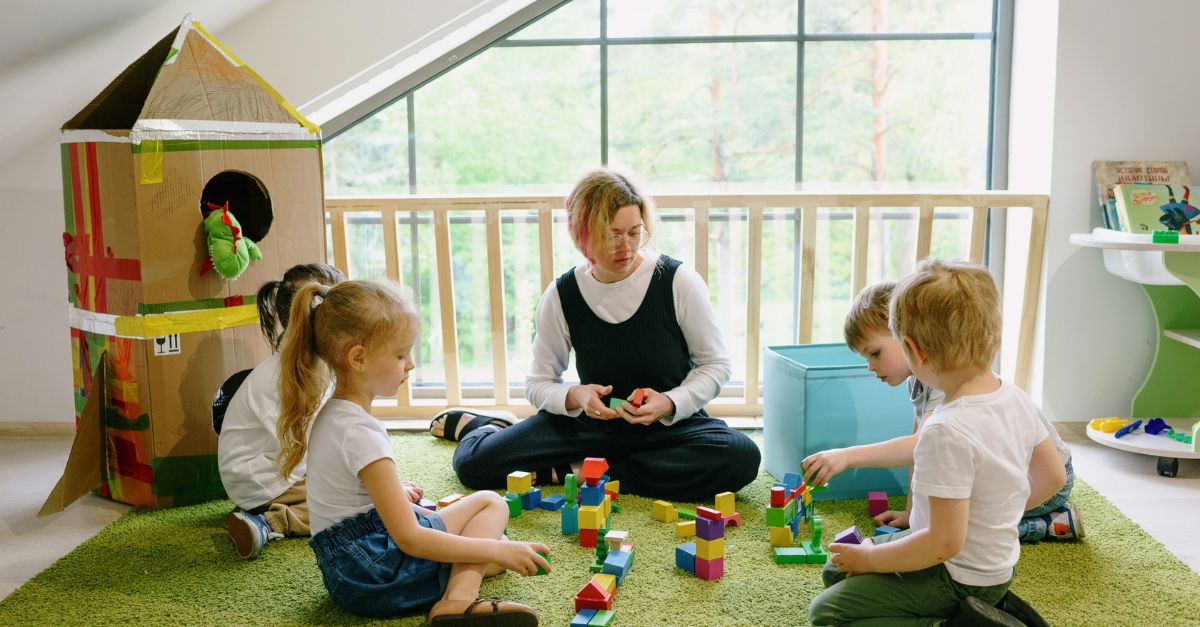
You don’t need to set aside an entire day to teach children about kindness and cooperation. In fact, some of the best opportunities happen during the everyday routines that are already part of your classroom schedule.
Here are a few simple ways to weave these lessons into your day, using familiar early learning routines to build essential skills:
- During arrival: Encourage children to welcome one another and help friends settle into the classroom.
- During free play: Model ways to invite others into activities, share ideas, and navigate disagreements.
- During snack time: Give children opportunities to help prepare the table, distribute napkins, and clean up together. These hands-on activities help children develop new knowledge and skills.
- During circle time: Invite children to share something kind they noticed or something they enjoyed doing with a friend.
- During outdoor play: Encourage cooperative games, shared building projects, and opportunities to care for the outdoor environment.
- During transitions: Invite children to work together to put away materials and prepare for the next activity.
These small moments add up. Over time, they help children understand that being part of a community means both receiving support and contributing to the people and spaces around them.
Looking for more ways to bring meaningful learning experiences into your classroom? Lillio Learning makes lesson planning easier with a research-based preschool curriculum for children from birth to age five.


Maddie is a Registered Early Childhood Educator with a Master's in Early Childhood Studies. Her specialty is in Children's Rights and she is currently Manager, Content Marketing at Lillio!
More by Maddie


